
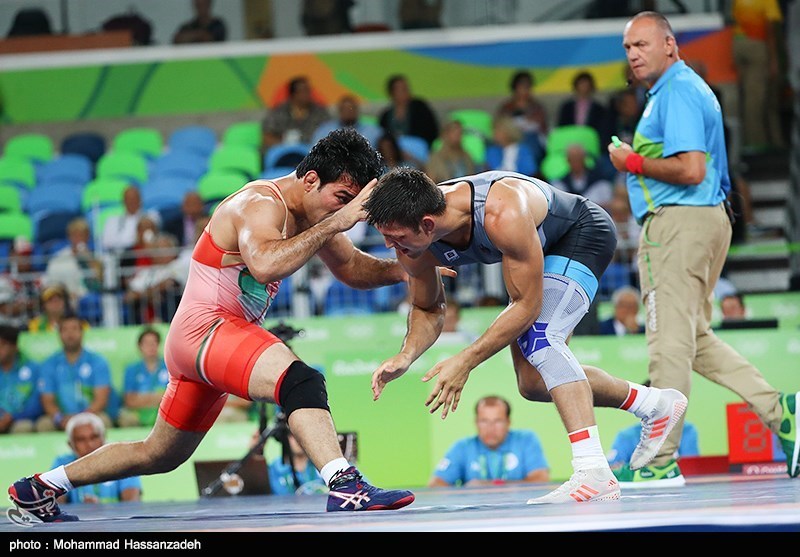
Before I talk about the power of sports, let’s go all the way back to its origins: what is a sport?
The Oxford dictionary defines it as “an activity involving physical exertion and skill in which an individual or team competes against another or others”.
This is a very basic conceptualisation of sport, as in reality sports goes beyond just simply involving some form of physical activity and competing. The significance of sports is so immense; it is argued that it is the perfect representation of how the world should be!
This ideal can be seen by the definition:
“Incorporated into the definition of ‘sport’ are all forms of physical activity that contribute to physical fitness, mental well-being and social interaction. These include: play; recreation; organised, casual or competitive sport; and indigenous sports or games”. This definition was developed by the United Nations Inter-agency Taskforce on Sport for Development and Peace.
Sport is a universal language. At its best, it has the potential to bring people together,regardless of origin, background, religious beliefs or economic status. Sports and access to physical education provides the youth an experience of real exhilaration and unseen benefits as they learn the ideals of teamwork and tolerance. This is probably why the United Nations is turning more and more to sports in their efforts for world peace and development. After all, the youth are the future of our world, right?
With the Rio Olympics 2016 now at a close, what better way was it to show off the power of sports than having the majority of sports discipline on one stage broadcasted to the entire world – from the streets of the United Kingdom to all the way down under.
The Olympics is the personification of what the world should be like, bringing people together by giving them a sense of personal identity (culture, race, religion, etc.), as well as feelings of group membership and social identification (diversity labelled as one, whether that be Team Great Britain or China). How beautiful is that?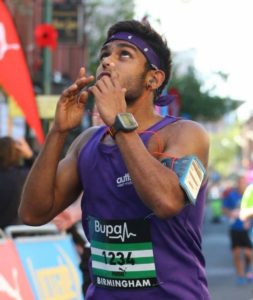
With the doom and gloom of Brexit in Britain on the peripheral, it is encouraging to see the overwhelming support of togetherness and unity we show. From Adam Peaty setting the new world record in the 100 metre breaststroke (57.13 seconds) to Mo Farah retaining his 10,000 metre crown, we are Great Britain regardless! From a world perspective, Usain Bolt won three gold medal in three consecutive Olympics games, leading to not only Jamaica celebrating, but the world! We celebrate and support the achievement of someone who we have no affiliation with. I’m sure if he had not won; we would commiserate instead of celebrate and still provide support, whether that be applauding him in the stands or posting something on social media.
Now imagine Bolt was a country, let’s say Republic of Bolt (RoB) and we represent Great Britain. Let’s imagine something negative happened to RoB, be that economically or a natural disaster. And we reacted by giving our support like we would do if RoB was a person. Now expand that into every country in the world. How beautiful would the world be?
Now let’s make the scale smaller and go back to me and you. We may not be athletes at the Olympics, but don’t for one second think that we can’t be a catalyst for a better world through sport. We do it all the time! When we play sports at whatever level we participate in. From providing joy to us with the feel good factor of being active to challenging ourselves with marathons to raising awareness and fundraising for a cause that benefits others. Sports is a path to a better world for ourselves, the people we love and for people we may not even know we provide a positive influence to.
So the next time you get involved in sports and/or recreational activities, remember…you are making a difference to the world in more ways than you may actually think!
– Author: Nirmol Deb
Former NHSF Aston President
Current student in Loughborough Universities, School of Sports, Exercise and Health Sciences